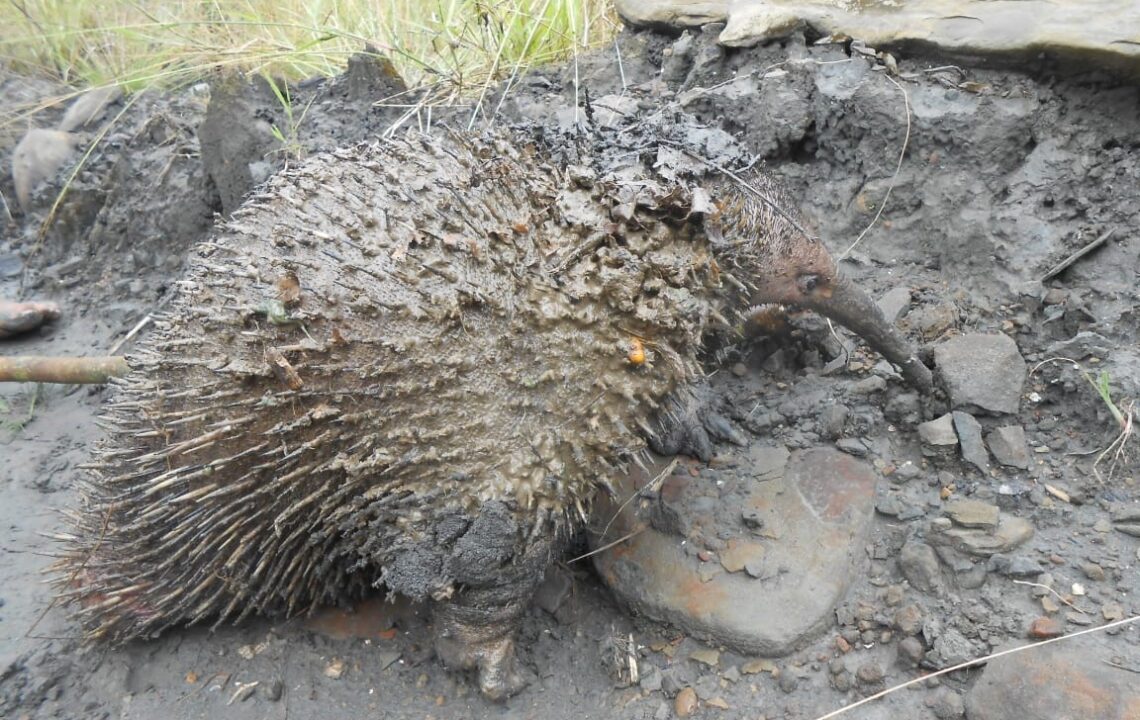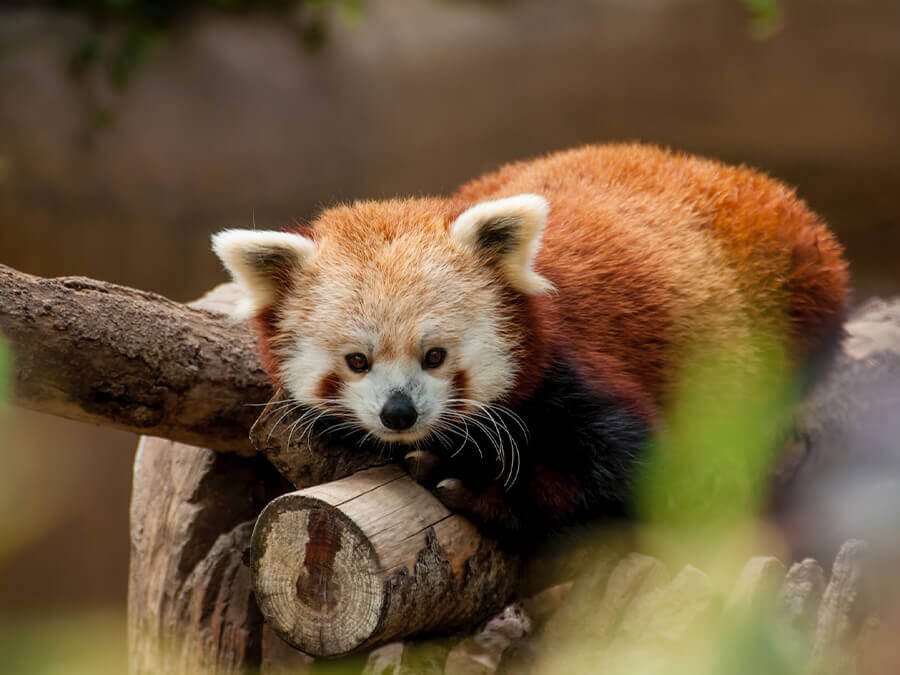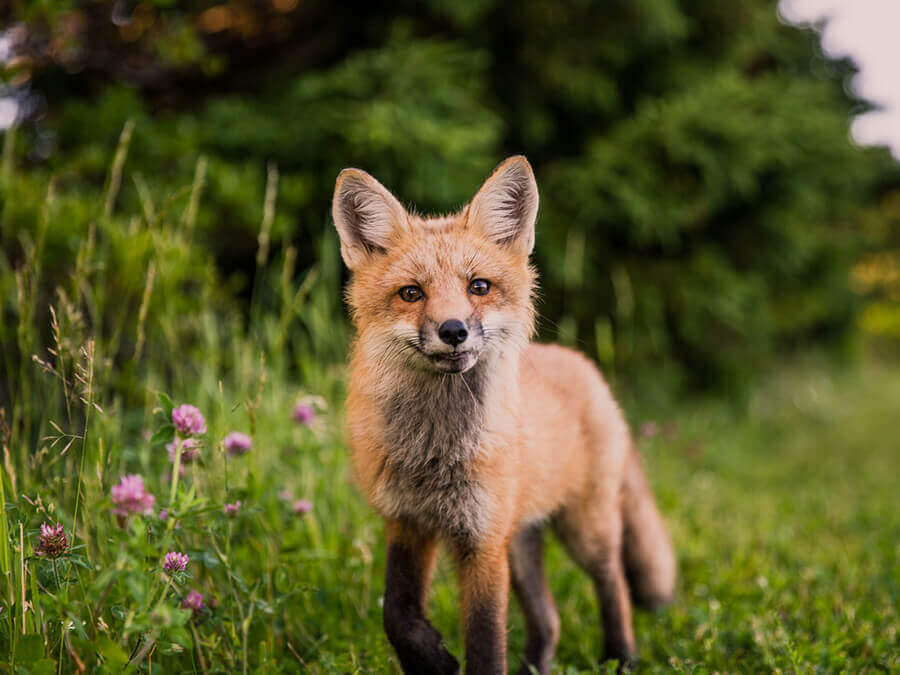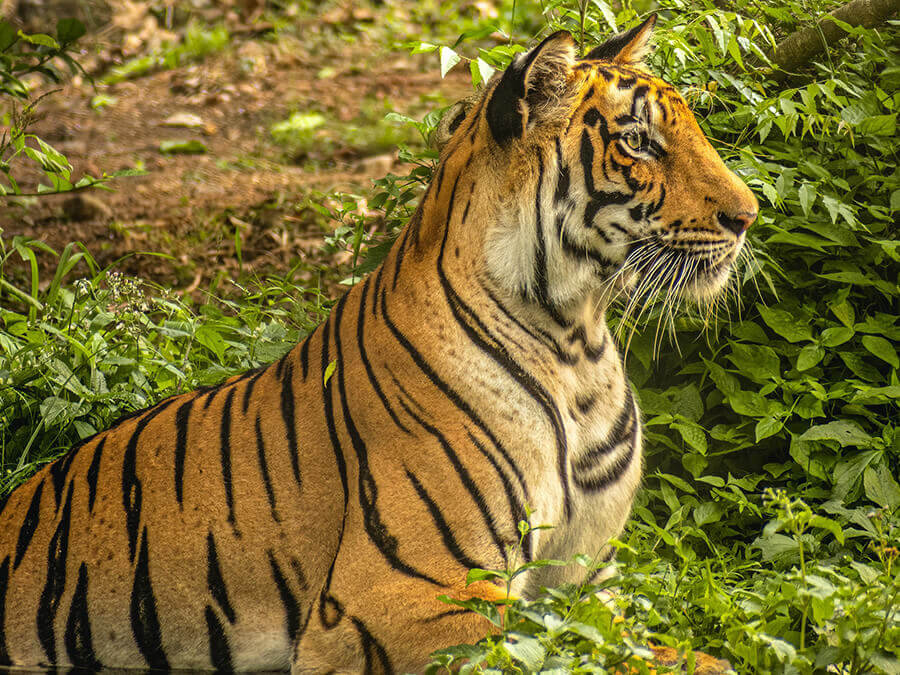
The estimate is less clear for plants, fungi and for invertebrates. However, some evidence suggests that plants and insects are declining just as quickly as vertebrates do.
Invertebrates include protozoa, sponges, polyps, flatworms, roundworms, annelids (e.g. earthworms), echinoderms (e.g. starfish, sea urchins), molluscs and arthropods (e.g. insects, crustaceans, spiders, millipedes).
It’s these life forms (plus plants and fungi) that generally form the backbone of ecosystems. Losing them means also losing the interactions between these species: the ecosystems become dysfunctional.
Although extinction of species is a natural phenomenon, it currently happens 1’000 to 10’000 times faster than the background rate of extinction known from evolutionary history. It has two fundamental causes, tabooed in public discourse: the exponential increase in both the number of humans and their insatiable desires.
Our needs are degrading natural ecosystems a lot faster than we can research them. The collateral damage is immense - and very likely an even bigger threat to life - including us - than climate change.