
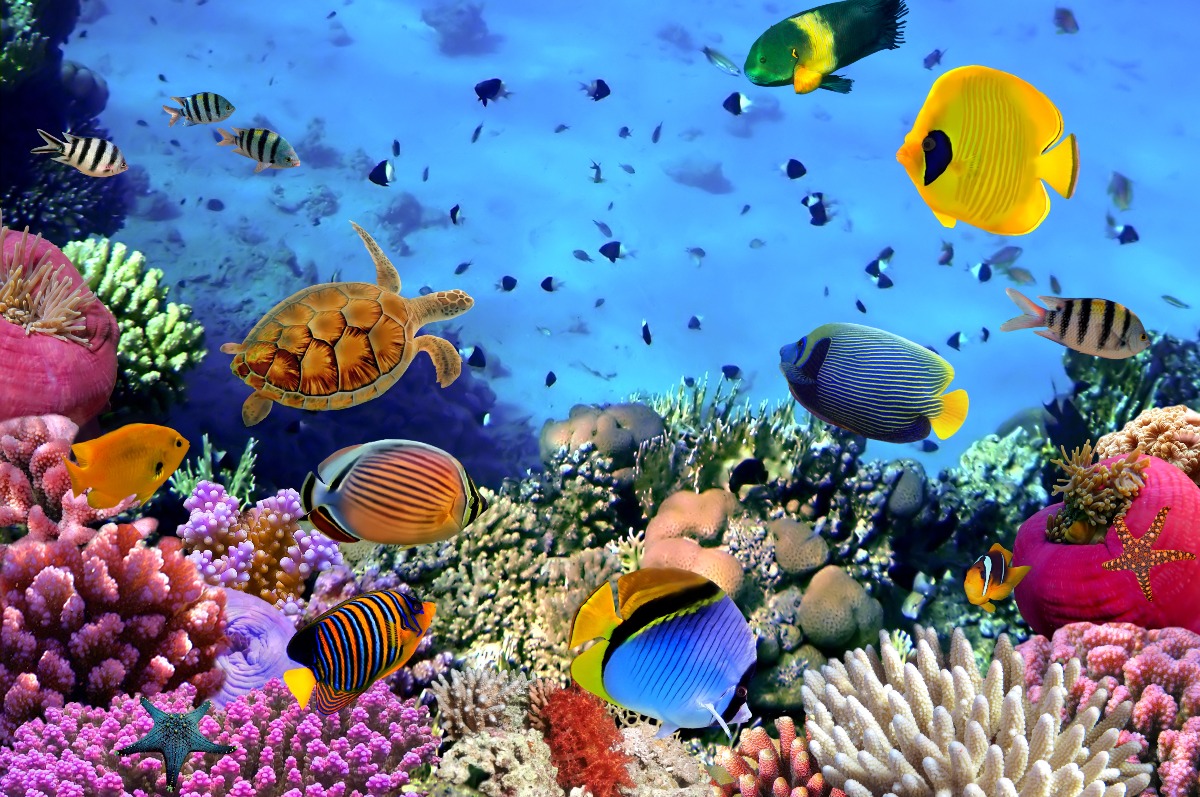
Although we are far from fully understanding its complexity, one thing is clear: Reducing biodiversity at the genetic, population or ecosystem level leads to a cumulative loss of function and finally the break-down of affected ecosystems.
If left unchecked or driven too far, this is suicidal because we heavily rely on ecosystem services provided by or dependent on living organisms. These include regulating services such as the purification of water and air, carbon sequestration and climate regulation, waste decomposition and detoxification, control of species by predators, pollination, and flood protection. Ecosystem services also include provisioning services such as food, crops, organic raw materials (lumber, fuelwood, fodder, fertilizer), genetic resources, medicinal resources, and energy (hydropower, biofuels).
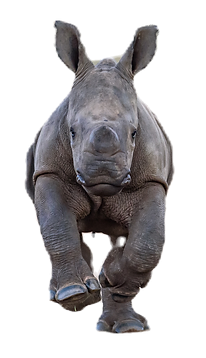
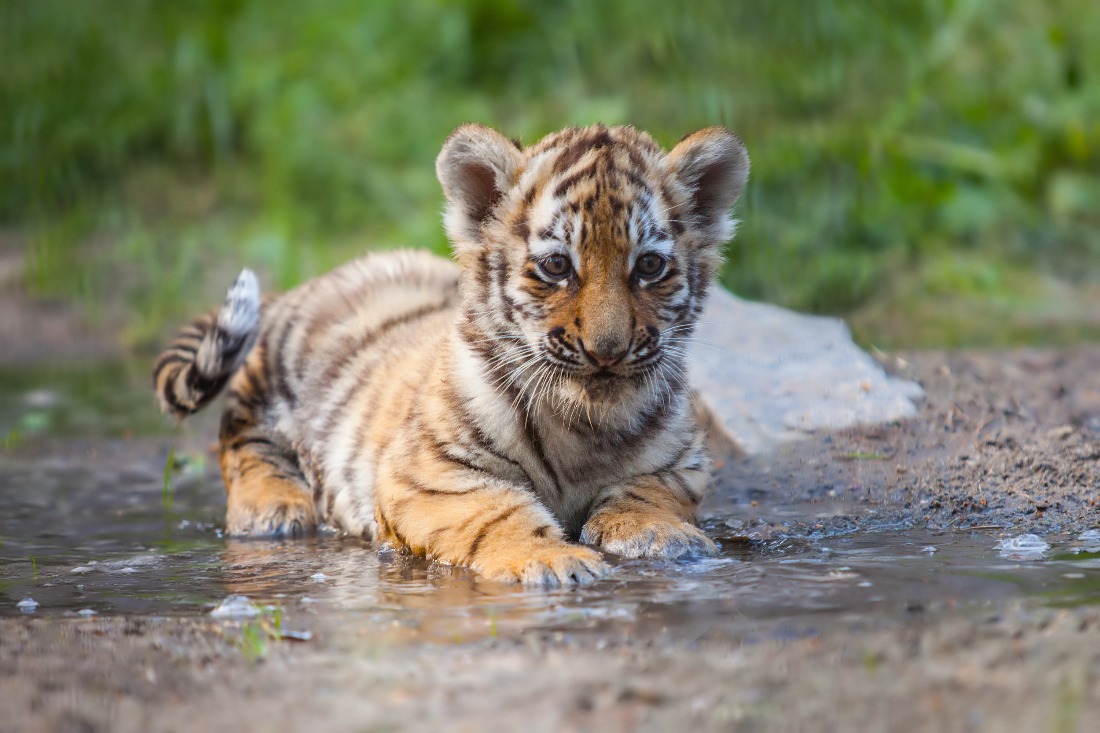
Not only the cute!
The need for species protection and conservation is immense. Are the usual targets right?
READ MORE
"Flagship species" help raise funds for protecting key habitats. They enable us to connect emotionally. So how do you advocate protecting pivotal beings that don't look sweet, such as many plants and arthropods? At 1wild, we can't be guided by the cute and pretty. So expect some unlikely flagship species. They, too, are priceless.
Species conservation is complex
Effective protection of endangered species within their habitats requires a catalogue of situational conservation measures for the respective areas that involve the local population.
READ MORE
Effective protection of endangered species within their habitats requires a catalogue of situational conservation measures for the respective areas that involve the local population.
Our goal is to preserve endangered species in their respective habitats. This is more complex than it may sound. It requires not only the protection of the remaining populations of endangered animal, plant and fungal species and their habitats. It also often requires the support of such species through suitable measures, such as the renaturising of impoverished habitats, the connection of residual habitats through wildlife corridors, the provision of nesting sites and the protection of offspring from predators.
This in turn requires situationally adapted protected area management. The respective actions generally involve the local population, take their needs into account in an appropriate manner and endeavour to resolve conflicting objectives. For example, beehives protect smallholder fields against elephants, with the honey generating additional income.
The IUCN Green List of Protected and Conserved Areas can serve as a guideline and instrument for the design of such measures.
The time to act is now. Contribute.
There's only one wild. Join us in saving it.